



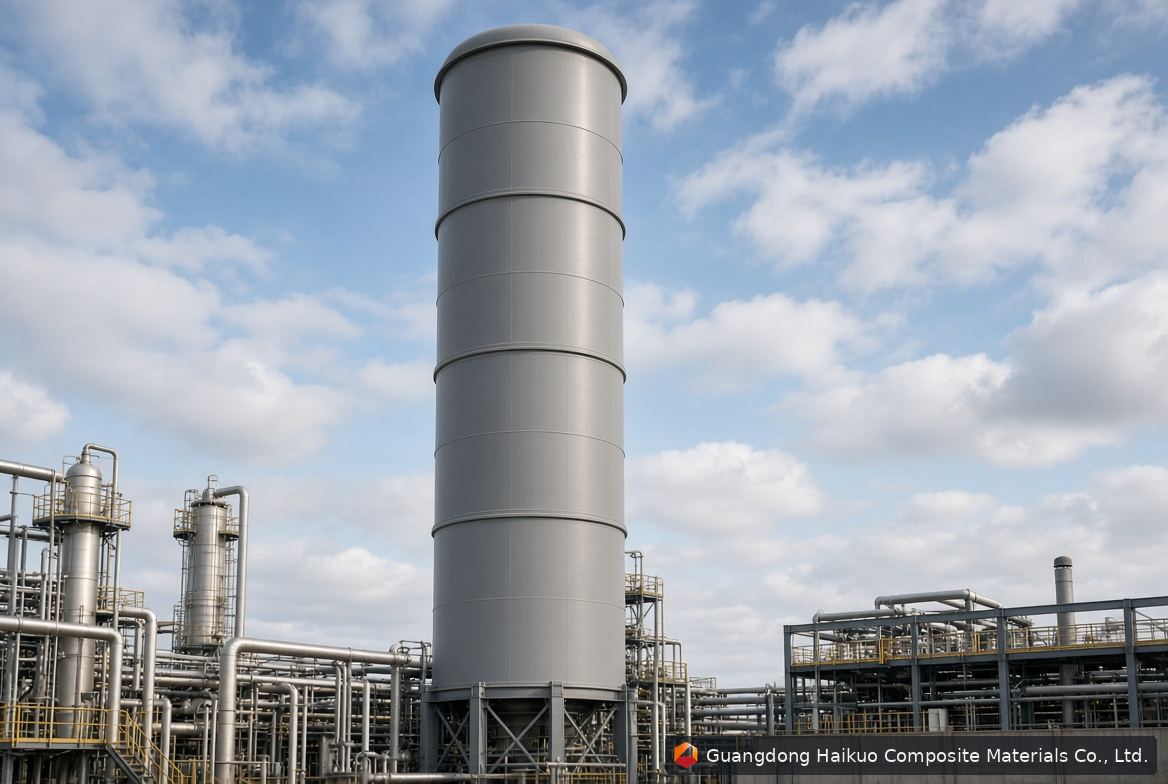
Fiberglass Pultrusion Molds generation process
Guangdong Haikuo is a leading manufacturer of fiberglass pultrusion molds, in business for over 20 years and having produced molds for a wide range of applications, including pipes, rods, profiles, and sheets.
This article covers common problems that can arise with fiberglass pultrusion molds and how to troubleshoot them.
Common Problems
Here are some of the most common issues that come up with fiberglass pultrusion molds:
Surface defects
Dimensional inaccuracies
Leaks
Breakages
Corrosion
Surface Defects
Surface defects rank among the most common problems with fiberglass pultrusion molds, including:
Blisters
Fiber pull-out
Wrinkles
Uneven color
Blisters come from trapped air or gas within the mold. Fiber pull-out happens when fibers get pulled out of the mold during pultrusion. Wrinkles result from the mold not being properly heated or cooled. Uneven color comes from resin not mixed evenly, or pigment incompatible with the resin.
To troubleshoot surface defects, first check the mold for obvious damage — repair or replace it if damaged. Also check for burrs or sharp edges, which can damage the product’s surface.
Next, check the mold release agent — if it’s not working properly, the product can stick to the mold and get damaged.
Finally, check the process parameters, since incorrect settings can cause surface defects.
Dimensional Inaccuracies
Dimensional inaccuracies can stem from several factors, including:
Improper mold design
Improper mold manufacturing
Improper process parameters
To troubleshoot dimensional inaccuracies, first check the mold design against the desired dimensions, then check that the mold was manufactured to the correct tolerances.
Finally, check the process parameters to confirm the product cures to the desired dimensions.
Leaks
Leaks can stem from several factors, including:
Improper mold design
Improper mold manufacturing
Improper process parameters
To troubleshoot leaks, first check the mold design for gaps or holes that could let resin escape. Then confirm the mold was manufactured to a tight tolerance to prevent leaks.
Finally, check the process parameters to ensure the resin cures properly with no excess resin that could leak out.
Breakages
Breakages can stem from several factors, including:
Improper mold design
Improper mold manufacturing
Improper process parameters
To troubleshoot breakages, first check that the mold design is strong enough to withstand pultrusion forces, then confirm the mold was manufactured to the correct specifications for adequate strength.
Finally, check the process parameters to confirm the product cures to the desired strength.
Corrosion
Corrosion can stem from several factors, including:
Improper mold materials
Improper mold manufacturing
Improper environmental conditions
To troubleshoot corrosion, first check that the mold materials resist corrosion, then confirm the mold was manufactured to a high standard to prevent it.
Finally, check the environmental conditions — the mold should be stored in a dry, clean environment to prevent corrosion.
Conclusion
Following the troubleshooting tips in this article helps keep your fiberglass pultrusion molds operating properly and producing high-quality products.
Additional Tips
Beyond the tips above, here are a few more for troubleshooting fiberglass pultrusion molds:
Keep good records — track all mold maintenance and repairs to spot recurring problems and prevent them from happening again.
Train your employees — make sure they’re properly trained to operate and maintain your fiberglass pultrusion molds, preventing damage and ensuring high-quality output.
Calibrate your equipment regularly — this matters for the pultrusion machine, resin mixer, and mold temperature controller alike.
Use the right materials — mold materials, fiber materials, and resin materials should all be the correct choice for your application.
Follow the manufacturer’s instructions — always follow them for your fiberglass pultrusion molds, to use them properly and safely.
Case Study
Here’s a case study of a fiberglass pultrusion mold that ran into a problem:
A company used a fiberglass pultrusion mold to produce pipes, and the pipes came out with wrinkles. They checked the mold for damage — none found. They checked the mold release agent — working fine.
They then checked the process parameters and found the resin temperature was too low. Raising the resin temperature made the wrinkles disappear.
This case study shows how important it is to troubleshoot fiberglass pultrusion molds properly — checking every possible cause lets you quickly find the source of a problem and fix it.
Following the tips in this article helps keep your fiberglass pultrusion molds operating properly and producing high-quality products.